
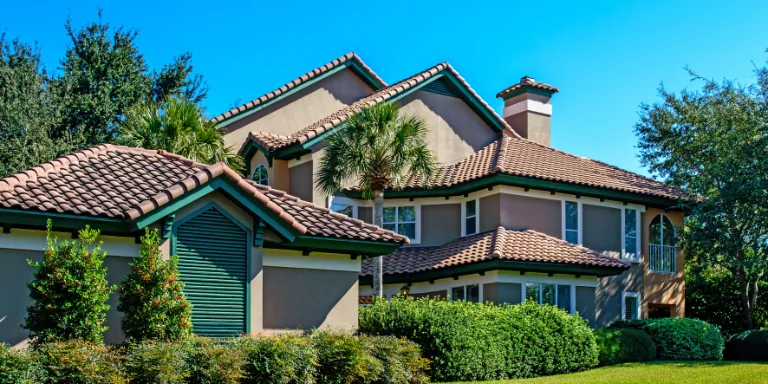
A rental property asks different things of a house than a home you plan to live in yourself. Occupants use it hard, you may not be nearby when something breaks, and every design choice becomes a long-term maintenance decision. If you are considering building a rental property in Gainesville or elsewhere in Alachua County, the costliest mistakes usually happen before construction starts, when the lot, layout, and materials are chosen without the rental use clearly in mind.
Start With How the Property Will Be Rented
Before anyone draws a floor plan, decide who the property is for. A short-term vacation rental, seasonal accommodation, and a long-term lease can call for noticeably different homes.
Short-term guests stay a few nights and expect everything ready, which favors easy-to-clean surfaces, lockable owner storage, and a layout that works for groups. Seasonal occupants may stay for months, so closet space, a full kitchen, and in-unit laundry matter more. Long-term tenants bring their own belongings and routines, shifting priorities toward storage, parking, and finishes that survive years of daily use.
No model is automatically better, but the house should be designed for the one you intend to operate, because retrofitting is rarely cheap.
Confirm the Lot and Local Requirements Before You Commit
Jurisdiction comes first. Properties inside Gainesville city limits fall under the City’s zoning and permitting rules, lots in unincorporated Alachua County follow the County’s, and nearby municipalities have their own. Requirements can also differ by rental type, even on the same lot.
Before finalizing a purchase or plans, confirm with the appropriate local authority:
- Whether the zoning allows your intended rental use
- Setbacks, driveway access, and parking requirements
- Any rental registration or licensing obligations
- Building permits and inspections required for the project
Site conditions deserve equal attention. Distance to water, sewer, and electrical service can shift the budget considerably, and some rural lots need well and septic systems. Drainage matters in North Florida, where heavy summer rains test grading and stormwater planning. Tree removal, fill, and soil conditions can add site preparation costs that never appear on a listing.
Design the Layout Around Real Daily Use
Good rental property design depends less on style than on how easily people live in the space. A few priorities matter most:
- Bedroom and bathroom balance. Conveniently placed bathrooms reduce bottlenecks, especially when unrelated adults share the home.
- A workable kitchen. Counter space and storage for actual cooking matter more than a showpiece island.
- Laundry and storage. Adequate closets and a laundry area keep belongings from spilling into living spaces.
- Clear circulation. Wider hallways and doorways reduce wall and door damage when furniture moves in and out.
- Parking and access. Plan for the vehicles occupants will realistically have, not the minimum.
Accessible shutoff valves and an easily reached HVAC filter also make routine maintenance faster.
Choose Materials for Durability, Not Just Price
Judge rental finishes by how they perform across several tenancies. Luxury vinyl plank or tile generally handles spills and furniture moves better than carpet. Quartz or solid-surface countertops resist stains. Satin or semi-gloss paint in high-traffic areas wipes clean more easily than flat finishes.
The most expensive option is not always right. A mid-range fixture that uses standard replacement parts can be smarter than a premium one requiring special orders. In Gainesville’s humid climate, moisture-resistant materials in wet areas, good ventilation, and properly sized HVAC equipment help protect the building itself. All new construction must also meet the Florida Building Code, which shapes structural and energy-related decisions.
Build a Budget That Covers the Whole Project
The house is only part of the cost. A realistic budget for rental home construction should include:
- Site preparation, clearing, and grading
- Utility connections or well and septic installation
- Design, engineering, and permit fees
- Material and finish selections
- A contingency allowance for unexpected conditions
Choices that reduce long-term maintenance can also justify a modest upfront increase. Actual costs depend on your lot, design, materials, and applicable requirements.
Why Early Builder Involvement Pays Off?
Reviewing the lot, scope, design priorities, and budget allowances with your builder before plans are final exposes trade-offs while changes still cost little. We have been building custom homes across North Florida since 2004, with more than 200 homes completed, and that experience helps owners connect site conditions, material selections, and the construction timeline into one plan.
Learn more about our approach to custom home construction in Gainesville, FL.
Plan Your Rental Property With Sparks Construction
Whether you are evaluating a lot or refining a layout, settling those questions early gives you more options and fewer surprises. Call Sparks Construction at 386-755-9314 to talk through your project scope, design priorities, and construction planning before you commit.